Why We Invested in Spiders Mobility

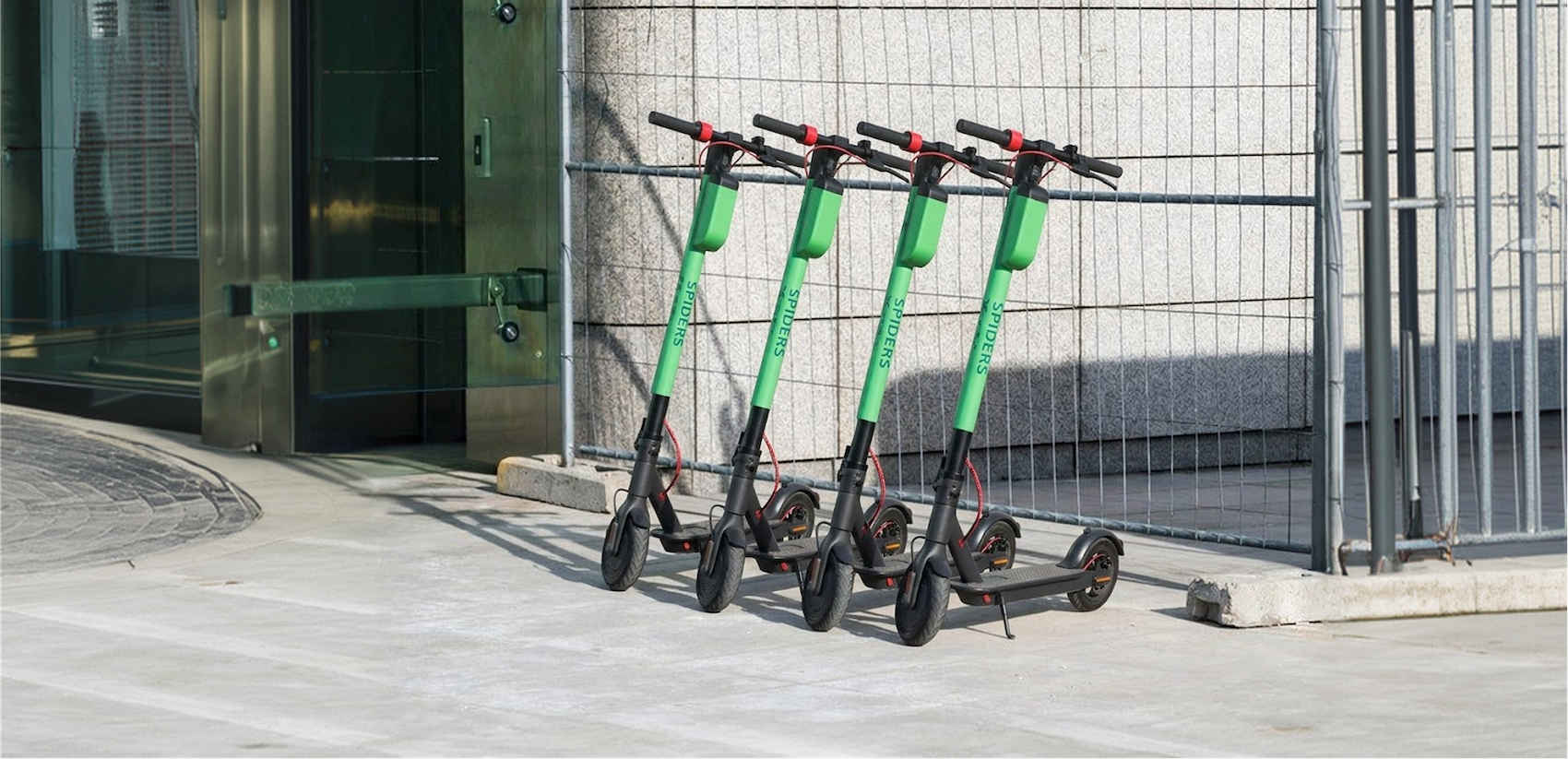
At ALKNZ Ventures, we view micromobility not as a short‑lived trend but as core infrastructure for the next generation of cities—particularly in Saudi Arabia and the wider GCC.
The global micro‑mobility market is estimated at around USD 85 billion in 2025 and is projected to reach approximately USD 300 billion by 2030, implying a robust double‑digit CAGR over the coming decade. In parallel, the Saudi Arabia micromobility market—valued at roughly USD 150 million in 2023—is expected to grow to about USD 350 million by 2030 at a CAGR of around 15%, supported by Vision 2030, giga‑projects, and over USD 1 billion earmarked for bike lanes and scooter parking.
Against this backdrop, SPIDERS represents the type of company we believe can define the next phase of micromobility in the region. Founded in 2021 by Majd Baik, SPIDERS is a Saudi tech‑driven micromobility startup built around data, software, and operational excellence rather than just hardware or fleet deployment. Its USD 2.4 million pre‑seed round is not only a vote of confidence in the team, but also a signal that local, context‑aware operators can capture meaningful value as the Saudi and GCC markets scale.
There are several reasons why SPIDERS fits our investment thesis:
Localization and regulatory fit SPIDERS is designed around the realities of Saudi cities—extreme climate, evolving municipal regulations, and the integration of micromobility into giga‑projects and smart‑city corridors. While global operators often struggle to localize for such conditions, SPIDERS works directly with local authorities and developers to co‑design zones, parking, and operational rules. This alignment is critical as Saudi Arabia moves from pilot projects to system‑scale micromobility embedded into large urban‑development plans.
Technology‑first operations.
The company leverages IoT, AI‑enabled fleet management, and data analytics to optimize vehicle placement, monitor asset health, and manage operations with high capital efficiency. In a sector where unit economics often make or break operators, we look for platforms that treat each scooter or bike as a connected asset rather than a commodity. This software layer is exactly where venture‑backed value accretes and where SPIDERS differentiates itself.
Integration with real estate and mobility ecosystems.
A key theme for ALKNZ Ventures is the convergence of mobility, real estate, and digital infrastructure. We believe that micromobility in Saudi and the GCC will increasingly be deployed via partnerships with developers, campuses, tourism destinations, and large employers—not just as stand‑alone citywide schemes. SPIDERS’ strategy of integrating its fleets and technology directly into compounds, mixed‑use developments, and transport hubs is aligned with how value will be created in this region over the next 10–15 years.
Capital discipline in a post‑hype phase.
Global experience has shown that “growth at all costs” is unsustainable in micromobility. Between 2024 and 2025, mobility tech investment has remained strong in absolute terms, but investors are clearly shifting toward fewer, larger, and more disciplined rounds, with average funding per round reaching record levels even as deal counts fall. SPIDERS was built in this post‑hype environment, with an explicit focus on sustainable unit economics, modular expansion, and measured market entry. That mindset is much closer to infrastructure investing than to pure consumer tech speculation.
Alignment with national and regional priorities.
Vision 2030 and similar initiatives across the GCC place strong emphasis on livable, walkable cities, tourism, and sustainability. Micromobility—and particularly connected, data‑rich fleets—plays directly into these goals by reducing short car trips, supporting transit connectivity, and enhancing visitor experience in new destinations. By backing SPIDERS, we are not only investing in a company but also in the enabling layer that supports these macro‑level ambitions.
In summary, ALKNZ Ventures invests in SPIDERS because it combines a compelling market opportunity with a grounded, technology‑driven, and regionally tailored execution model. As the global micro‑mobility market continues its expansion—estimated to nearly triple in size between 2025 and 2030—and as Saudi Arabia commits meaningful capital to active‑mobility infrastructure, we believe that SPIDERS is well‑positioned to emerge as a category‑defining player in the GCC micromobility ecosystem